
Morocco Advances STEM Education with AMAZE CanSat Academy Success
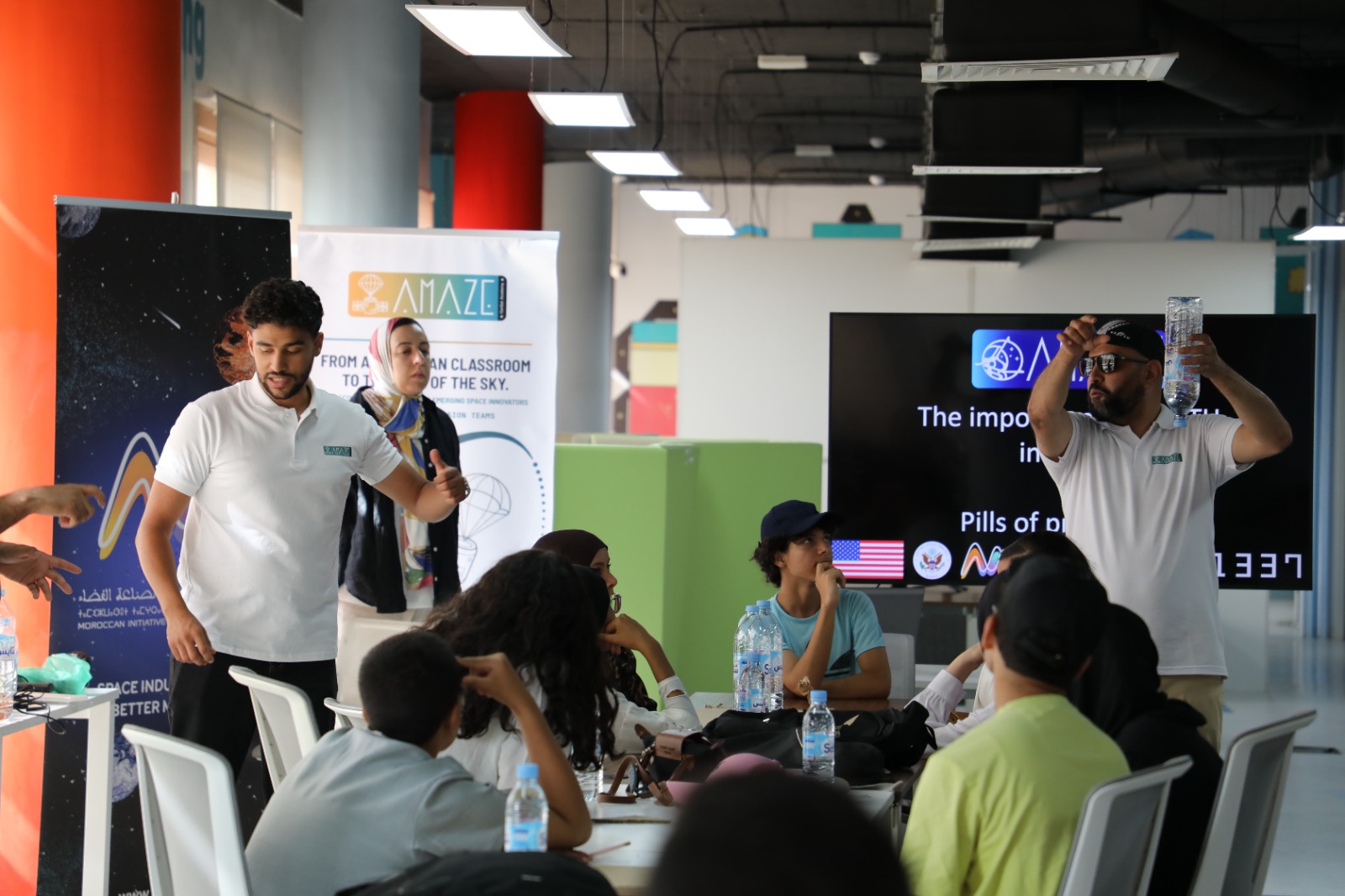
Morocco reached a new milestone in STEM education with the successful completion of its first AMAZE CanSat Academy, a national initiative introducing high school students to hands-on space engineering.
Organised by the Moroccan Initiative for Space Industry (MISI) in partnership with the U.S. Embassy in Morocco, the Mohammed VI High School of Excellence (LM6E), and 1337 Coding School, the programme brought together 30 students for seven months of intensive training, culminating in a four-day residential camp held in Khouribga.
Working in six teams, participants designed, built, and tested miniature satellites known as CanSats – each the size of a standard soda can. These systems integrated sensors, communication modules, and recovery mechanisms, simulating the full lifecycle of a real space mission.
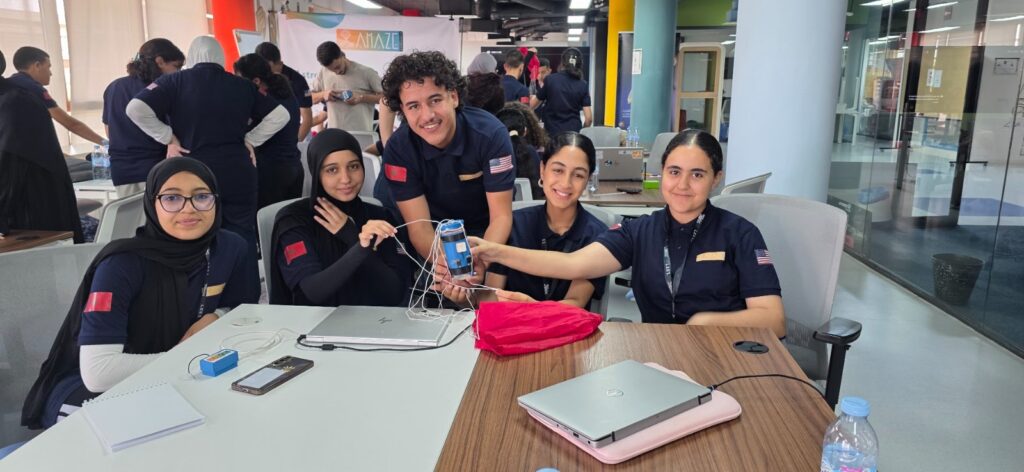
The final phase included live launches, recovery operations, and formal presentations evaluated by a technical jury.
The program followed a structured curriculum inspired by NASA’s systems engineering approach, blending theory with practical application.
Students participated in weekly sessions covering atmospheric science, telemetry, structural design, and data analysis, complemented by virtual masterclasses led by U.S.-based experts.
Beyond technical skills, the initiative emphasized teamwork, problem-solving, and effective communication.
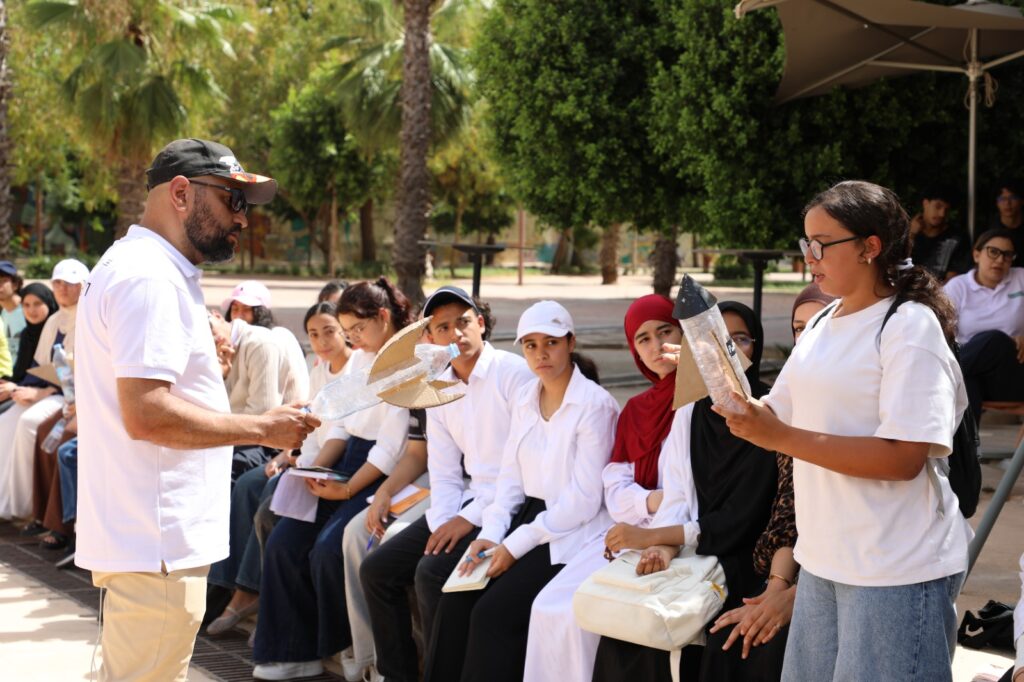
The closing camp condensed months of preparation into an immersive experience featuring workshops in rocketry, mission simulations, and leadership training. A key highlight was the NASA-supported Space Physics Mobile VR Lab, where participants explored space weather phenomena and analyzed real-time satellite data.
Launched in December 2025 in Benguerir, the Academy has already attracted international recognition. Earlier this year, Morocco’s Permanent Representative to the United Nations Office in Vienna referenced the program during a session of the UN Committee on the Peaceful Uses of Outer Space (COPUOS), presenting it as a model for early-stage space education.
Building on the success of its inaugural cohort, organizers plan to expand the program through an online track beginning in the 2026–2027 academic year, extending access to students and educators nationwide.
The AMAZE CanSat Academy forms part of broader efforts by the Moroccan Initiative for Space Industry (MISI) to strengthen Morocco’s space education ecosystem through practical, project-based learning, offering students an early pathway into engineering and scientific careers.