
Science for Everyone: National Science Month Launch Brings Discovery to the Heart of the Vaal
Science shapes societies. It improves healthcare, drives innovation, protects the environment and equips communities to tackle some of the world’s greatest challenges. Yet despite its importance, science is often perceived as something reserved for laboratories, universities and research institutions; a world apart from ordinary life.
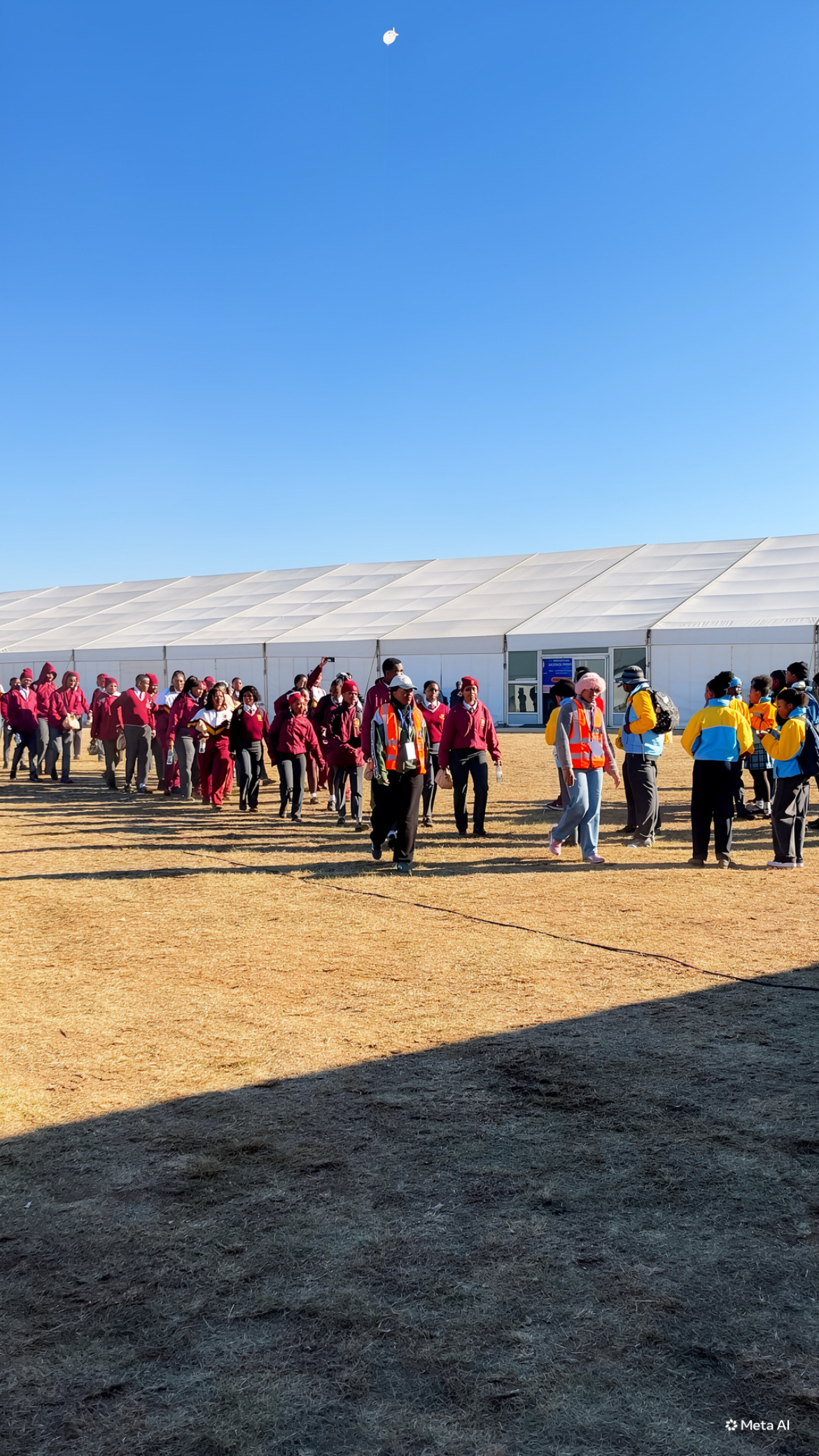
The launch of South Africa’s inaugural National Science Month (NSM) set out to change that narrative. Hosted at the Vaal University of Technology (VUT) under the theme “Science, Technology and Innovation is for Everyone,” the event marked a historic transition from National Science Week to a month-long celebration dedicated to bringing science closer to South Africans. Thousands of learners, educators, researchers, innovators, industry representatives, families and community members gathered to see firsthand how science is transforming lives and creating opportunities for the future.
As an MSc researcher and aspiring science communicator, attending the launch reminded me why I fell in love with science in the first place. Long before I understood research methods or academic journals, I was fascinated by simple questions about the natural world. That curiosity never left me; and it’s what now drives my passion for making science accessible beyond the walls of academia.
More Than an Event
The national science month launch was an extraordinary event and the beginning of a great initiative. It signalled a renewed commitment to public engagement with science, at a time when scientific knowledge is increasingly essential for addressing challenges like climate change, healthcare, energy security, food production and technological advancement.
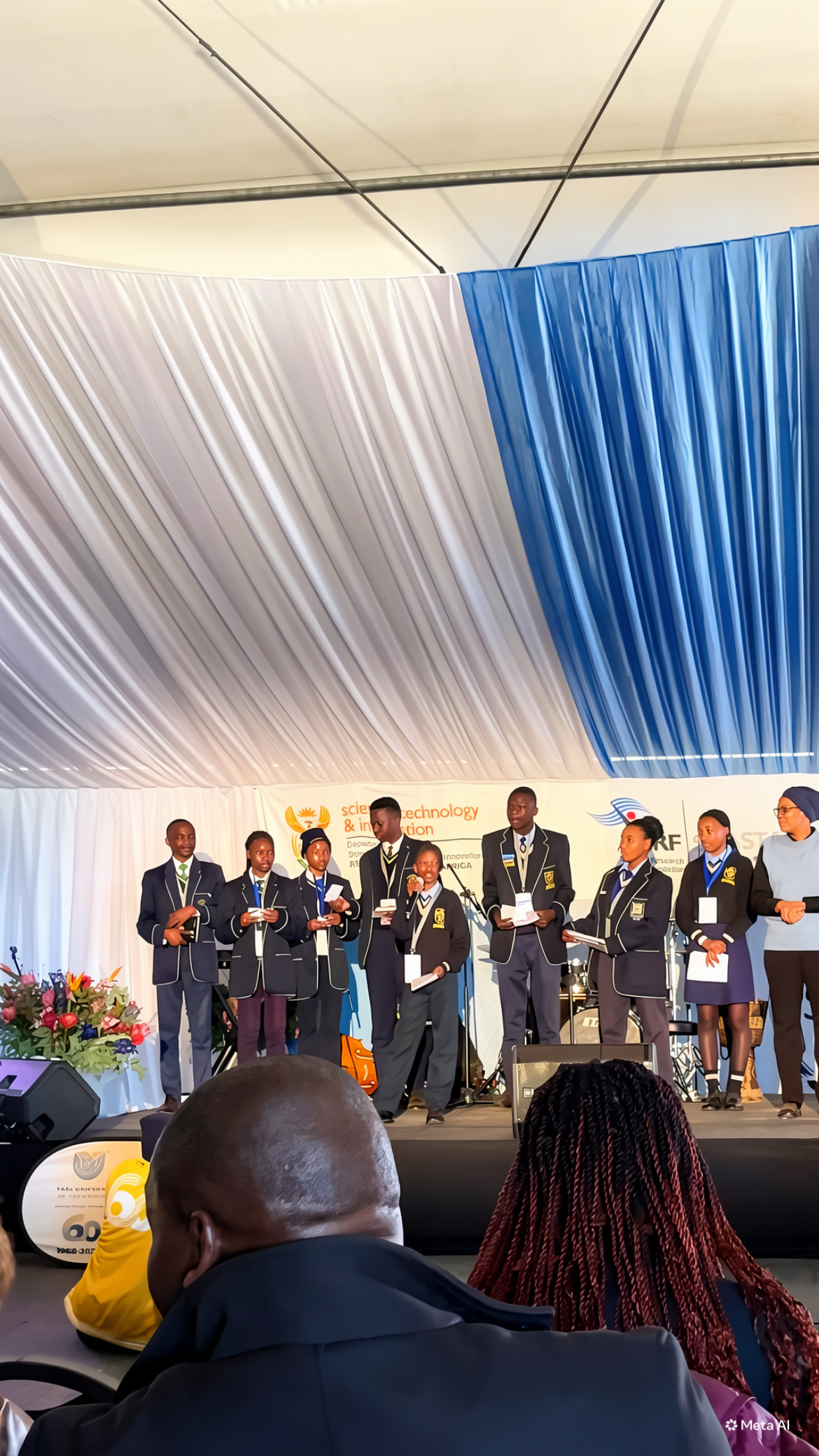
In her keynote address, Deputy Minister of Science, Technology and Innovation Dr Nomalungelo Gina described National Science Month as an opportunity to strengthen the relationship between science and society. She said the initiative aims to promote informed decision-making and public access to scientific knowledge, while building a culture of deliberate knowledge exchange between scientists and the public.
That message set the tone for the entire day. Science was not presented as something distant or exclusive; it became a conversation shared between researchers, educators, school learners, university students and the surrounding community, all exploring the exhibitions with genuine curiosity.
A Science Exhibition Unlike Any Other
The undoubted highlight of the launch was the expansive science exhibition, featuring 132 exhibition stands and more than 100 exhibitors from universities, science councils, government entities and industry partners across the country.
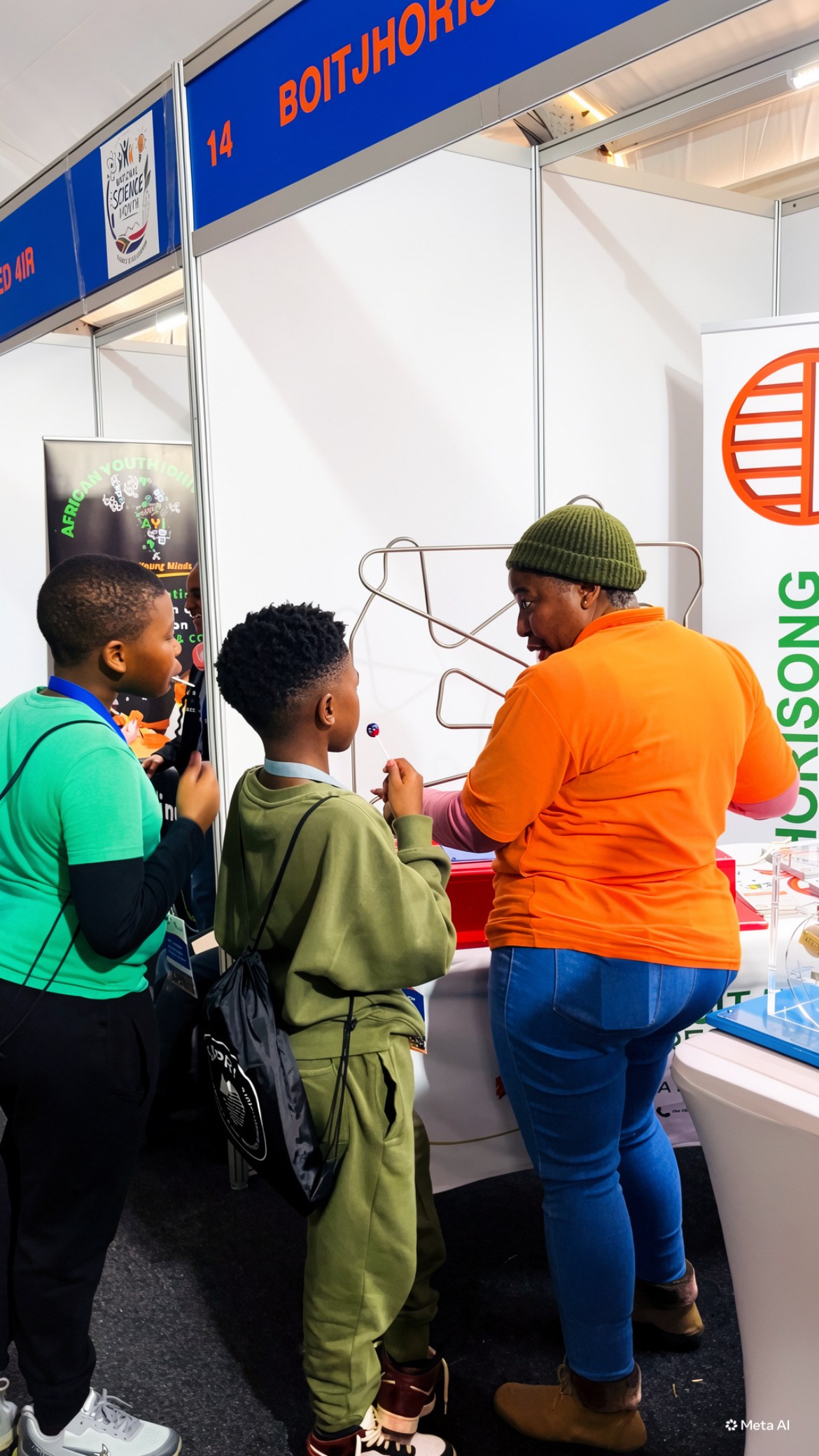
Walking through the exhibition space felt like travelling across South Africa’s scientific landscape. Each stand offered a different lens on how science shapes everyday life; from biotechnology and environmental conservation to engineering, artificial intelligence, renewable energy, indigenous knowledge systems and health innovation. Interactive demonstrations encouraged visitors to ask questions rather than simply observe, making complex ideas approachable regardless of age or educational background.
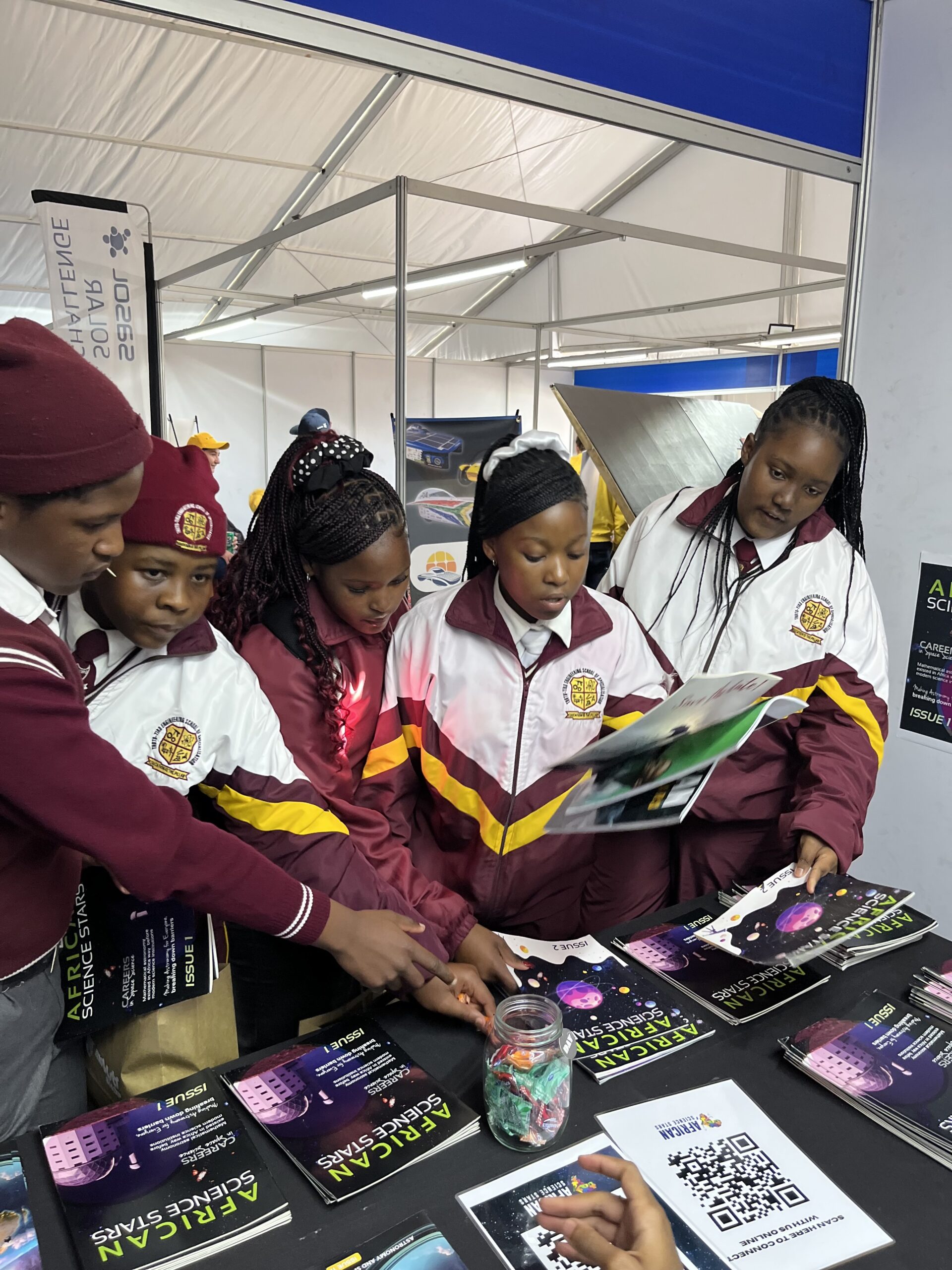
What stood out most was the diversity of people engaging with the exhibits. Learners explored potential career paths, university students connected with researchers, and parents and community members discovered how scientific innovation touches the issues affecting their daily lives. In doing so, the exhibition blurred the traditional line between scientists and the public, creating a space where everyone was encouraged to participate.
African Science Stars: Looking Beyond Our World
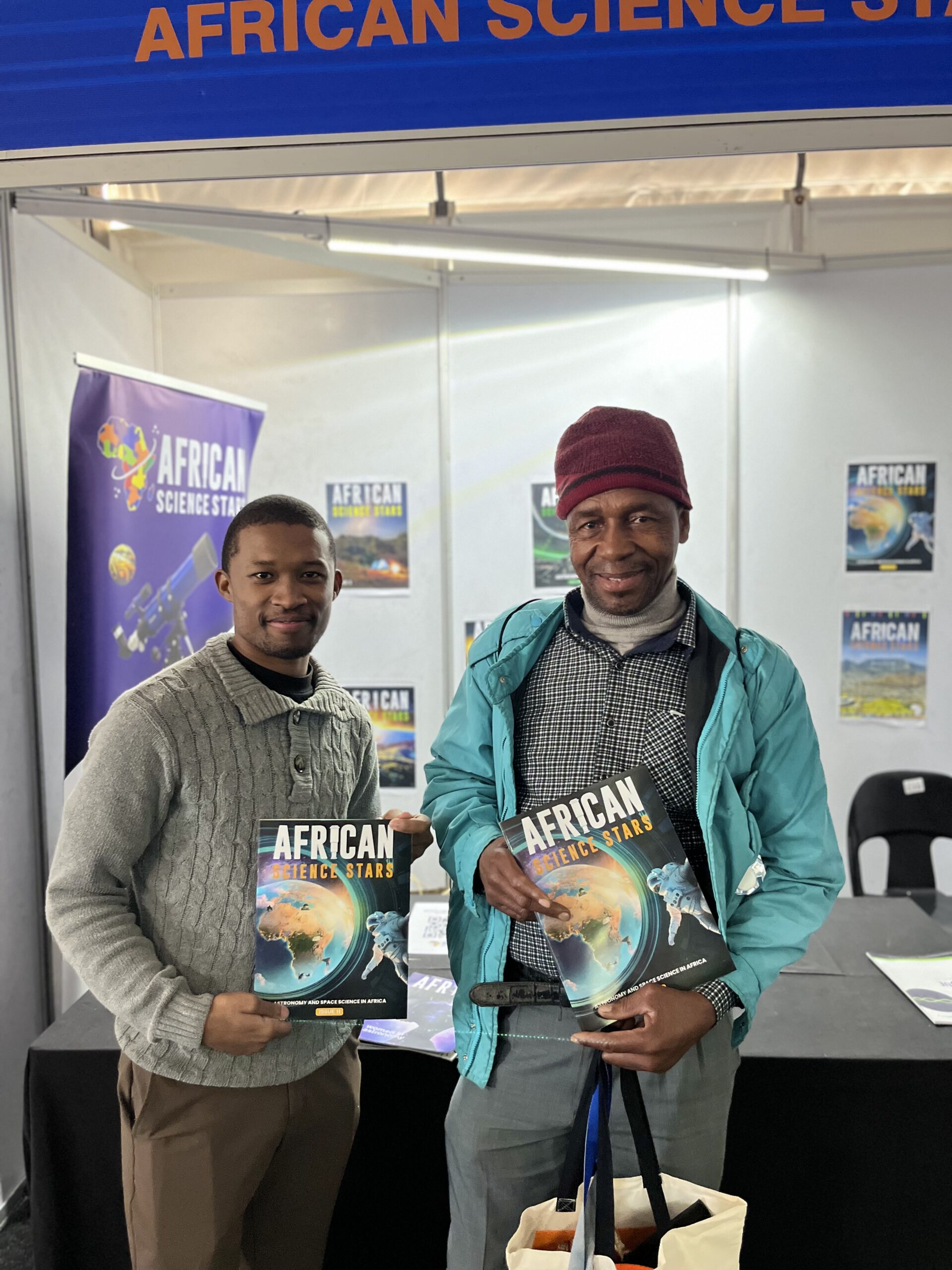
Among the many exhibitions, one that particularly captured my attention was the African Science Stars stand.
Dedicated to celebrating African excellence in astronomy and space science, it highlighted researchers whose work is expanding humanity’s understanding of the universe; while showcasing Africa’s growing contribution to global astronomy.
The experience went far beyond viewing display boards. Visitors were drawn into conversations about astronomy, the technology behind space exploration, and the scientific discoveries taking place across the continent — discussions that touched not only on distant galaxies, but on advances in engineering, computing, satellite technology and big data.
These conversations pushed back against a common misconception: that groundbreaking astronomy happens only outside Africa. Instead, the exhibition celebrated the continent’s growing leadership in the field, anchored by world-class research infrastructure such as the Square Kilometre Array (SKA), the MeerKAT radio telescope, and South Africa’s expanding role in international scientific collaboration. As Deputy Minister Gina noted in her address, National Science Month offers a platform to showcase the country’s achievements in space science and astronomy, and the world-class infrastructure behind them.
Perhaps the exhibition’s greatest achievement was its ability to inspire. For young visitors, seeing African scientists represented as pioneers in astronomy offered something powerful: proof that they, too, could contribute to scientific discovery. Representation remains one of the most effective tools in science communication, and the African Science Stars exhibition showed exactly why celebrating African scientists matters.
Science Belongs to Everyone
Throughout the day, one message became impossible to ignore. The theme, “Science, Technology and Innovation Are for Everyone,” wasn’t simply printed on banners around the venue; it came alive in every interaction between scientists and visitors.
Researchers patiently explained their work to children. Community members asked thoughtful questions about new technologies. Families explored exhibits together. Scientists stepped away from technical language and met people where they were, proving that effective science communication begins with listening as much as explaining.
In her keynote, Dr Gina reminded attendees that science communication is fundamentally about inclusion. Science, technology and innovation, she said, belong to all people — regardless of ethnicity, class, gender, belief or location and must serve society as a whole.
It was a statement that resonated far beyond the auditorium, echoed in every conversation taking place across the exhibition floor.
Beyond the Laboratory
National Science Month is more than a celebration of scientific achievement; it is an investment in scientific literacy, public engagement and the future of innovation in South Africa. As science continues to shape every corner of modern life, initiatives like this one ensure that knowledge doesn’t stay confined to research institutions, but reaches the communities it is meant to serve.
Leaving Vaal University of Technology that afternoon, it was clear the inaugural launch had achieved far more than opening a month-long programme of activities. It had turned a national theme into a lived experience. Science was no longer something distant or inaccessible; it was something people could see, question, discuss, and imagine themselves becoming part of.
And perhaps that is the greatest success of National Science Month: the reminder that curiosity has no age, no postcode and no profession.
Science truly is for everyone.